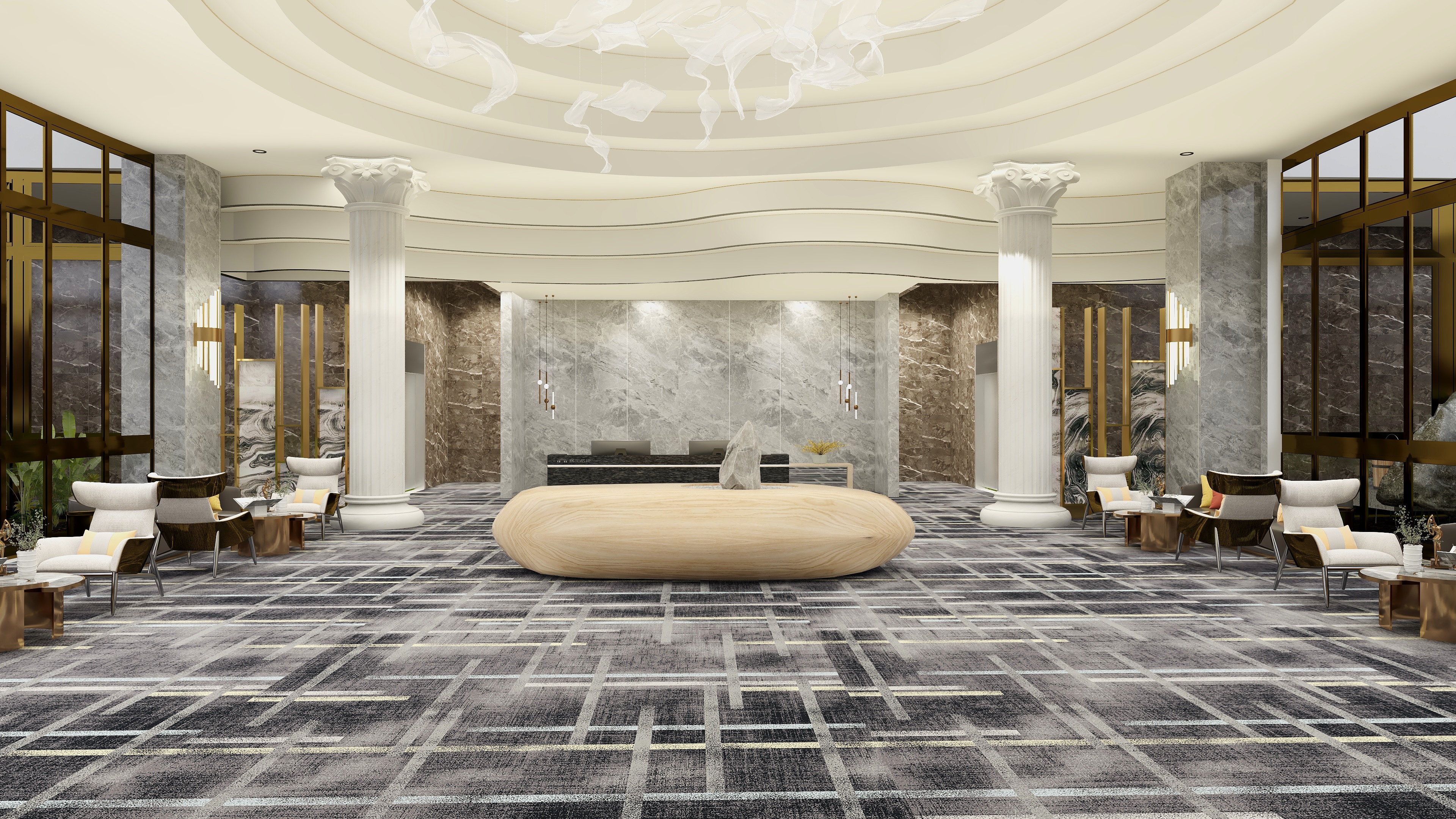
Lobby carpet plays a crucial role in shaping the first impression of any building, whether it is a hotel, office, shopping mall, or residential complex. The lobby is the first area visitors encounter, and the flooring design significantly influences how they perceive the space 地毯膠布. A well-designed lobby carpet not only enhances visual appeal but also adds comfort, safety, and acoustic balance to the environment. Because of these combined benefits, it has become an essential element in modern interior architecture.
One of the primary purposes of lobby carpet is to create a welcoming atmosphere. The entrance area of any building sets the tone for what visitors can expect inside. A carefully selected carpet design, color scheme, and texture can instantly elevate the ambiance, making the space feel more luxurious and inviting. Warm tones often create a cozy feeling, while neutral or elegant patterns convey professionalism and sophistication. This visual impact is especially important in commercial spaces where first impressions can influence client perception.
In addition to aesthetics, lobby carpet provides practical benefits such as noise reduction. Lobbies are typically high-traffic areas where people constantly walk, talk, and move luggage or equipment. Without proper flooring, these sounds can create echo and noise disturbances. Carpet materials naturally absorb sound, reducing noise levels and creating a quieter, more comfortable environment. This acoustic benefit is particularly valuable in hotels, office buildings, and hospitals where calm surroundings are essential.
Safety is another important reason why lobby carpet is widely used. Hard flooring surfaces can become slippery, especially when exposed to moisture from outside weather conditions. Carpets provide better grip and reduce the risk of slips and falls. In busy environments such as corporate buildings or public institutions, this added safety feature helps protect visitors and employees alike. Many modern lobby carpets are also designed with anti-slip backing to further enhance stability.
Durability is a key factor when selecting lobby carpet, as these areas experience constant foot traffic. High-quality carpets are manufactured using strong fibers such as nylon, polypropylene, or wool blends that can withstand heavy use without losing their appearance. These materials are resistant to wear and tear, ensuring that the carpet maintains its texture and color over time. This makes lobby carpet a long-term investment for building owners who want both style and functionality.
Maintenance is also an important consideration in lobby carpet selection. Since lobbies are exposed to dirt, dust, and moisture from outside, carpets in these areas must be easy to clean and maintain. Many modern carpets are designed with stain-resistant coatings that prevent spills from penetrating deeply into the fibers. Regular vacuuming and occasional deep cleaning are usually sufficient to keep them looking fresh and well-maintained. This ease of maintenance makes them suitable for busy commercial environments.
Design flexibility is another advantage of lobby carpet. Available in a wide range of colors, patterns, and textures, carpets can be customized to match the overall interior theme of a building. Some designs feature intricate patterns that reflect cultural or brand identity, while others focus on minimalism and elegance. This flexibility allows architects and designers to create unique and memorable lobby spaces that align with the purpose and branding of the establishment.
In hotels, lobby carpet plays a significant role in creating a luxurious guest experience. High-end hotels often use custom-designed carpets that reflect their brand identity and enhance the overall ambiance of the entrance area. These carpets are carefully chosen to complement furniture, lighting, and architectural elements. A well-designed hotel lobby carpet can leave a lasting impression on guests and contribute to a sense of comfort and exclusivity.
In corporate offices, lobby carpet helps establish a professional and organized environment. The reception area is often the first point of contact for clients, partners, and employees. A clean and stylish carpet design can reinforce the company’s image and values. Neutral colors and geometric patterns are commonly used in office lobbies to create a balanced and professional look. This contributes to a positive workplace atmosphere and enhances corporate identity.
Public spaces such as shopping malls, airports, and exhibition centers also benefit greatly from lobby carpet installation. These areas experience extremely high foot traffic, making durability and safety top priorities. Carpets in such environments are often designed to be highly resistant to wear while still maintaining visual appeal. They also help guide foot traffic and define different zones within large open spaces, improving overall navigation and organization.
Another important aspect of lobby carpet is its contribution to thermal comfort. Carpeted floors help retain warmth, making indoor environments feel more comfortable, especially in colder climates. This insulating property can also contribute to energy efficiency by reducing the need for excessive heating. As a result, lobby carpets not only enhance comfort but also support sustainable building practices.
Modern technology has further improved the quality and functionality of lobby carpets. Advanced manufacturing techniques allow for the creation of carpets with enhanced durability, stain resistance, and environmental sustainability. Some carpets are made using recycled materials, contributing to eco-friendly building solutions. This aligns with the growing demand for sustainable interior design practices in both residential and commercial projects.
Customization has become a major trend in lobby carpet design. Businesses now prefer carpets that reflect their brand identity through logos, colors, and unique patterns. This personalized approach helps create a distinctive visual identity that sets a building apart from others. Custom carpets also allow for greater creativity in interior design, enabling architects to experiment with innovative concepts.
Despite their many advantages, selecting the right lobby carpet requires careful planning. Factors such as foot traffic level, maintenance requirements, design goals, and budget must all be considered. Consulting with interior design professionals can help ensure that the chosen carpet meets both aesthetic and functional needs. Proper installation is also essential to ensure long-lasting performance and safety.
In conclusion, lobby carpet is much more than just a decorative element. It is a functional and essential component of interior design that enhances aesthetics, improves safety, reduces noise, and adds comfort to high-traffic areas. Whether in hotels, offices, or public buildings, it plays a vital role in shaping visitor experience and reinforcing architectural identity. With advancements in design and materials, lobby carpets continue to evolve, offering even greater possibilities for style, durability, and sustainability in modern spaces.