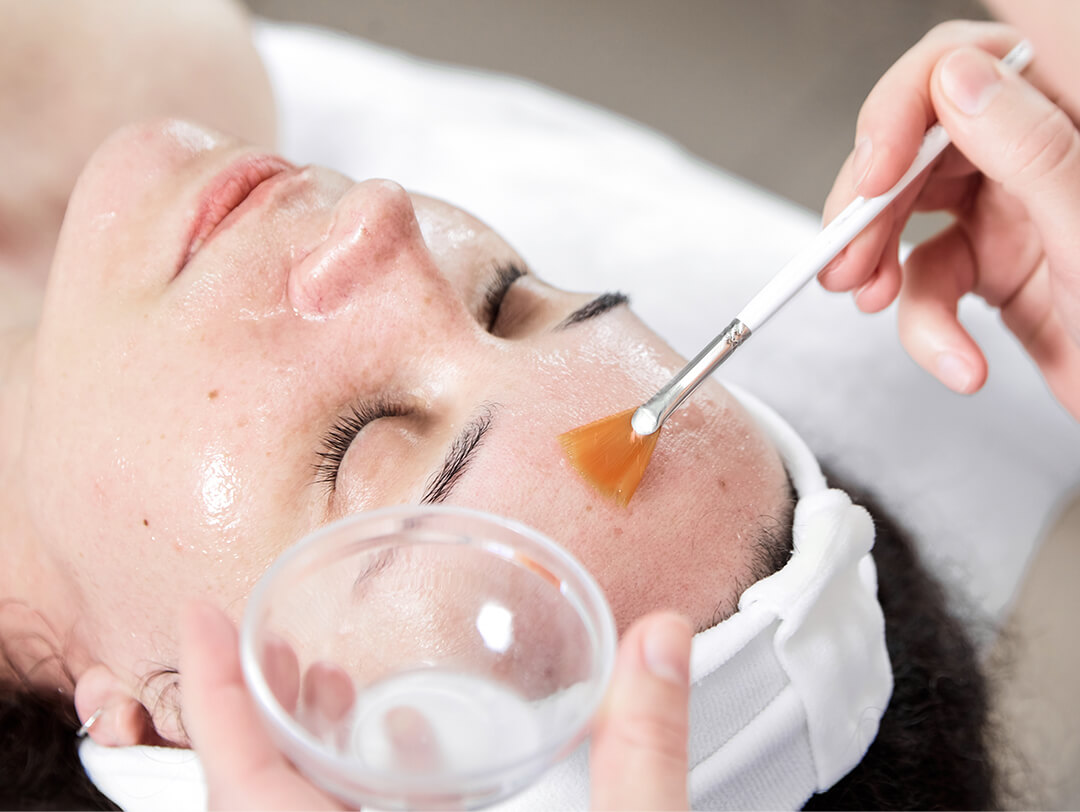
A glycolic acid peel is one of the most popular chemical exfoliation treatments used in modern skincare routines for achieving smoother, brighter, and more youthful-looking skin. Derived from sugar cane, glycolic acid belongs to the alpha hydroxy acid family and is known for its small molecular size, which allows it to penetrate the skin effectively and deliver noticeable results 果酸換膚. People often turn to a glycolic acid peel to address concerns such as dullness, uneven skin tone, fine lines, acne marks, and rough texture.
The reason glycolic acid peel treatments have become so widely recognized is their ability to gently dissolve the bonds that hold dead skin cells together on the surface. When these dead cells are removed, the skin underneath appears fresher and more vibrant. This process also encourages natural cell turnover, which plays an essential role in maintaining healthy and glowing skin over time. Unlike physical scrubs that rely on abrasion, a glycolic acid peel works chemically, making it a smoother and often more controlled form of exfoliation when used correctly.
Many skincare enthusiasts appreciate that a glycolic acid peel can be customized depending on skin type and concern. Lighter formulations are often used in at-home products or mild treatments, while stronger concentrations are typically performed in professional skincare settings. This flexibility makes it suitable for a wide range of individuals, from those new to chemical exfoliation to those with more advanced skincare goals. However, proper care and understanding of the skin’s tolerance level are always important before starting any peel-based routine.
One of the most noticeable benefits of a glycolic acid peel is its ability to improve skin texture. Rough or uneven skin can develop due to buildup of dead cells, environmental exposure, and natural aging processes. Regular use of glycolic acid helps refine the surface, leaving the skin feeling softer and more polished. Over time, this can also enhance the effectiveness of other skincare products, as freshly exfoliated skin absorbs serums and moisturizers more efficiently.
Another significant advantage of a glycolic acid peel is its role in brightening the complexion. Many people struggle with dull skin caused by stress, pollution, or lack of proper exfoliation. By removing the outer layer of dead skin cells, glycolic acid reveals a brighter and more radiant layer beneath. This can create a healthy glow that looks natural rather than artificially enhanced. Consistent use can also help reduce the appearance of dark spots and uneven pigmentation, leading to a more balanced skin tone.
A glycolic acid peel is also widely used in addressing acne and acne-related marks. Because it helps unclog pores and remove excess buildup, it can reduce the likelihood of breakouts forming. Additionally, it assists in fading post-acne discoloration, which often remains long after pimples have healed. While it may not replace targeted acne treatments for severe cases, it can be an effective complementary step in a broader skincare routine aimed at clearer skin.
Despite its many benefits, a glycolic acid peel must be used with care. Because it actively exfoliates the skin, overuse or improper application can lead to irritation, dryness, or sensitivity. It is important to allow the skin time to adjust and to avoid combining it with other strong active ingredients that may cause excessive exfoliation. Sun protection is also essential, as freshly exfoliated skin is more vulnerable to sun exposure and potential damage.
Hydration plays a key role when using a glycolic acid peel. After exfoliation, the skin barrier needs support to maintain balance and prevent moisture loss. Using gentle moisturizers and soothing ingredients can help restore comfort and maintain skin health. Many people find that pairing glycolic acid treatments with hydrating serums or calming skincare products creates the best overall results.
The long-term effects of a glycolic acid peel can be quite transformative when used consistently and responsibly. Over time, the skin becomes more refined, with improved clarity and a smoother surface. Fine lines may appear less noticeable as the skin’s texture improves and cell turnover remains active. These gradual changes contribute to a more youthful and refreshed appearance without the need for invasive procedures.
It is also important to understand that results from a glycolic acid peel are not immediate in a dramatic sense. While some people notice a glow after a single use, the deeper benefits develop gradually with continued use. Patience and consistency are key factors in achieving the best outcome. Listening to the skin and adjusting frequency based on its response ensures that the treatment remains effective and safe.
People with sensitive skin should approach glycolic acid peel treatments cautiously. Starting with lower concentrations and shorter contact times can help minimize the risk of irritation. Observing how the skin reacts is essential before increasing intensity. For some individuals, professional guidance may be beneficial to ensure that the peel is used in a way that supports skin health rather than disrupting it.
In addition to facial care, a glycolic acid peel can also be used on other areas of the body where rough texture or uneven tone is present. Common areas include the neck, hands, and certain parts of the body affected by dryness or pigmentation. This versatility makes it a valuable option in full-body skincare routines focused on overall smoothness and radiance.
Ultimately, a glycolic acid peel is a powerful yet accessible skincare tool that can significantly improve the appearance and health of the skin when used correctly. Its ability to exfoliate, brighten, and renew the skin makes it a favorite among skincare professionals and enthusiasts alike. With proper care, consistency, and protection, it can contribute to a long-lasting healthy glow that reflects well-maintained skin from within.